


The Triballe Journal
Why every natural stone piece is unique (and why that's a good thing)
No natural stone comes out identical to another: here's why that's not a manufacturing flaw, it's the nature of the material.
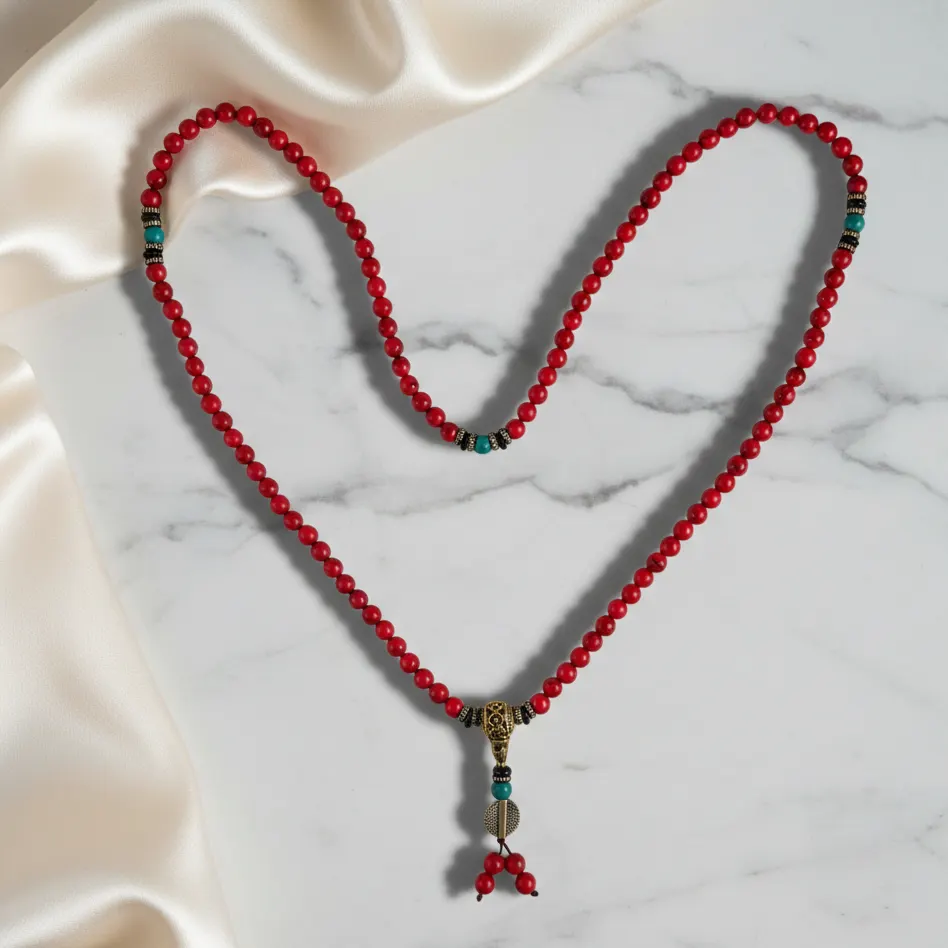
01
It's a common question when someone receives their order: "why does my stone look a bit different from the photo?" The short answer is that's just how a natural stone works, and it's exactly what sets it apart from a mass-produced imitation.
02
Each stone formed differently:
Unlike glass or dyed resin, which are manufactured with perfectly controlled color and texture, a natural stone formed under unique geological conditions, pressure, temperature, minerals present, that vary even within the same deposit.
03
What the variation actually means:
A common myth: color variation isn't 'proof' that a stone is natural: there are synthetic stones made specifically to mimic that variation, and some high-quality natural stones are prized for how uniform they are. What is true is that variations in tone, veining, texture, and inclusions are normal in natural materials, not a manufacturing flaw.
04
What we do control:
We don't control the exact tone of each stone, but we do control the selection criteria: we discard stones with structural flaws, poor cut quality, or colors far outside the expected range for that design. The variation that reaches you falls within a range that's already been curated.
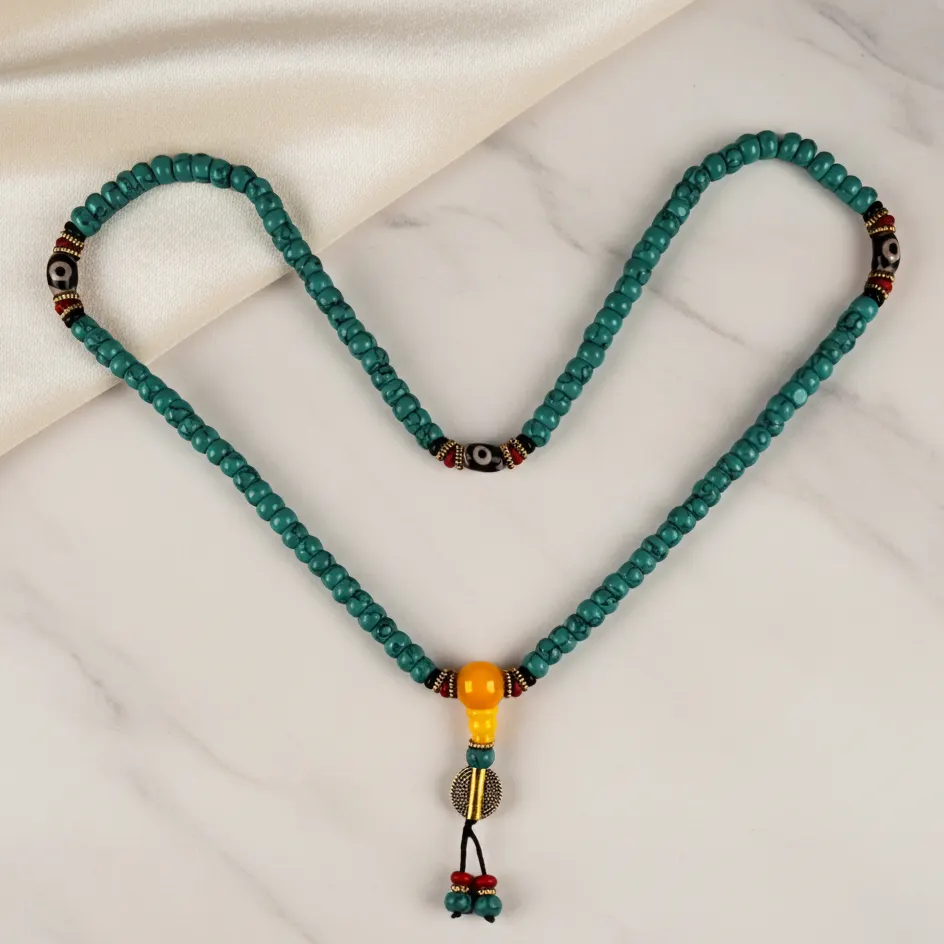
A read worth saving.