


The Triballe Journal
Behind a Triballe piece: how a necklace comes together by hand
From raw stone to finished piece: a real look at what goes into making a Triballe necklace.
01
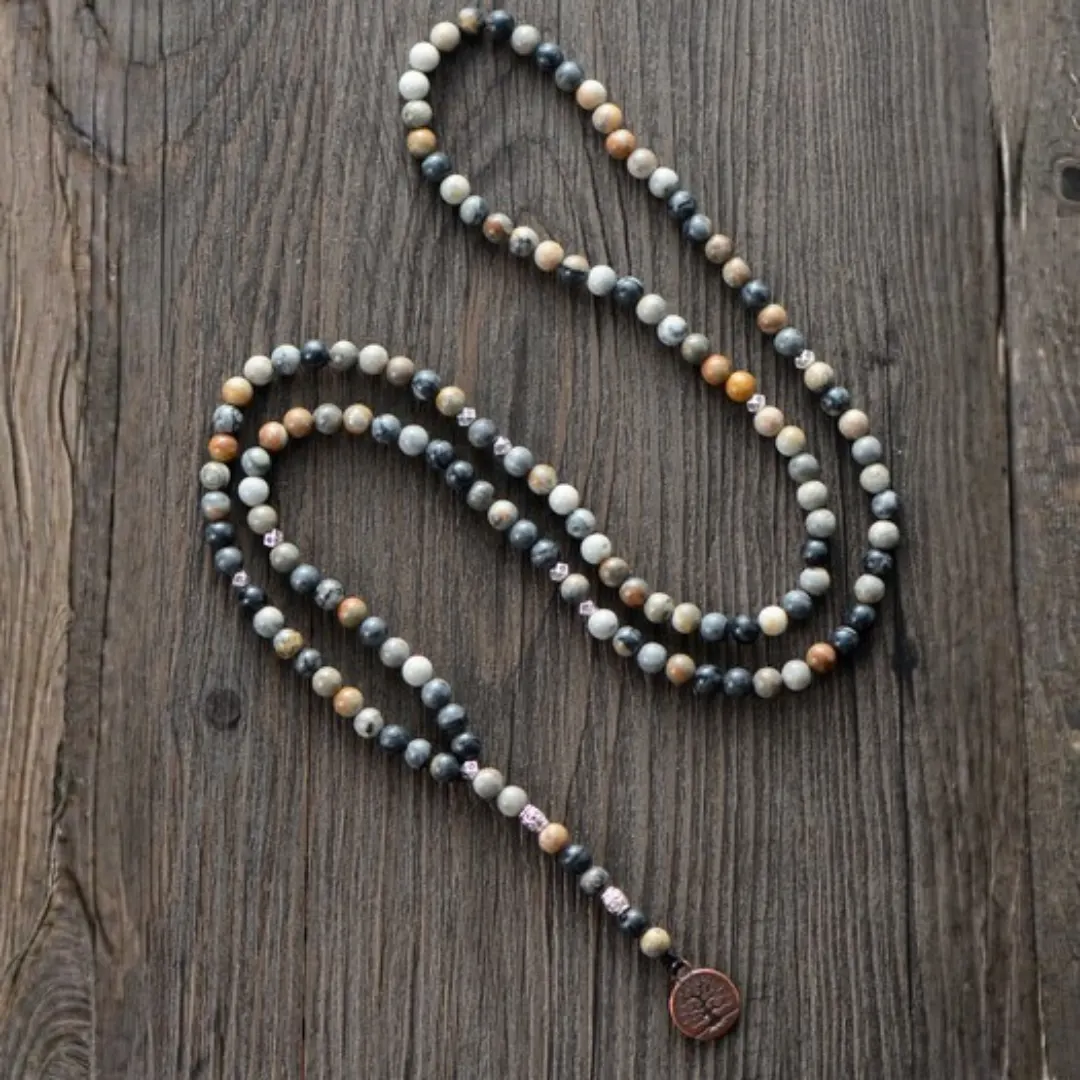
Putting together a natural stone necklace isn't an automated process: the stone selection and bead stringing are done by hand, piece by piece, and that's part of why two necklaces of the same design never end up exactly alike.
02
Selecting the stone:
Before assembling any piece, the stone gets selected: not every batch of the same stone has the same tone or the same cutting quality, so there's a manual review before deciding what goes into production and what doesn't.
03
Stringing the beads:
The beads are strung by hand, one by one, paying attention to color and size order so the finished piece has visual balance: it's not a random process, even though the final result has that organic look.
04
Final check before it's listed:
Every piece is checked before it's photographed and uploaded to the store: we confirm the clasp is secure, the beads are even, and the stone doesn't have flaws that weren't caught in the initial selection.
05
Why this matters when you buy:
A natural variation in tone or veining isn't the same as a defect: a defect is a loose clasp, a broken or cracked bead, or damaged drilling. The stone's tone varies because it's a natural material, not one made on an assembly line, and that variation is exactly part of what you're buying.
The small differences in color and texture you might see between a photo and the piece that arrives are part of that process, not a mistake.
A read worth saving.