


The Triballe Journal
Natural stones for spring: why the season change starts with your jewelry
In Chile, spring doesn't arrive overnight: the wardrobe shifts gradually. Jewelry is the fastest thing to change once the new season starts to show.
01
Spring officially starts on September 21, but the wardrobe doesn't change that same day: for several weeks we keep wearing our winter base (jeans, layers, dark tones) while the weather still isn't warm enough to drop it completely. Jewelry is different: it can change every day without buying anything new, so it's the fastest way to make a look feel like a different season, even before the weather catches up.
September and October also bring more daylight hours than the middle of winter, and that's not just a weather fact. It changes how a stone actually looks once it's on. With more natural light, translucent stones can show off their depth better and let more light through; opaque stones respond differently, mainly through color, polish, and surface shine. Opaque, dark stones (onyx, black jasper) tend to look similar year-round, which makes them more of a base stone than a seasonal one.
02
Rose quartz: the bridge between winter neutrals and summer pastels
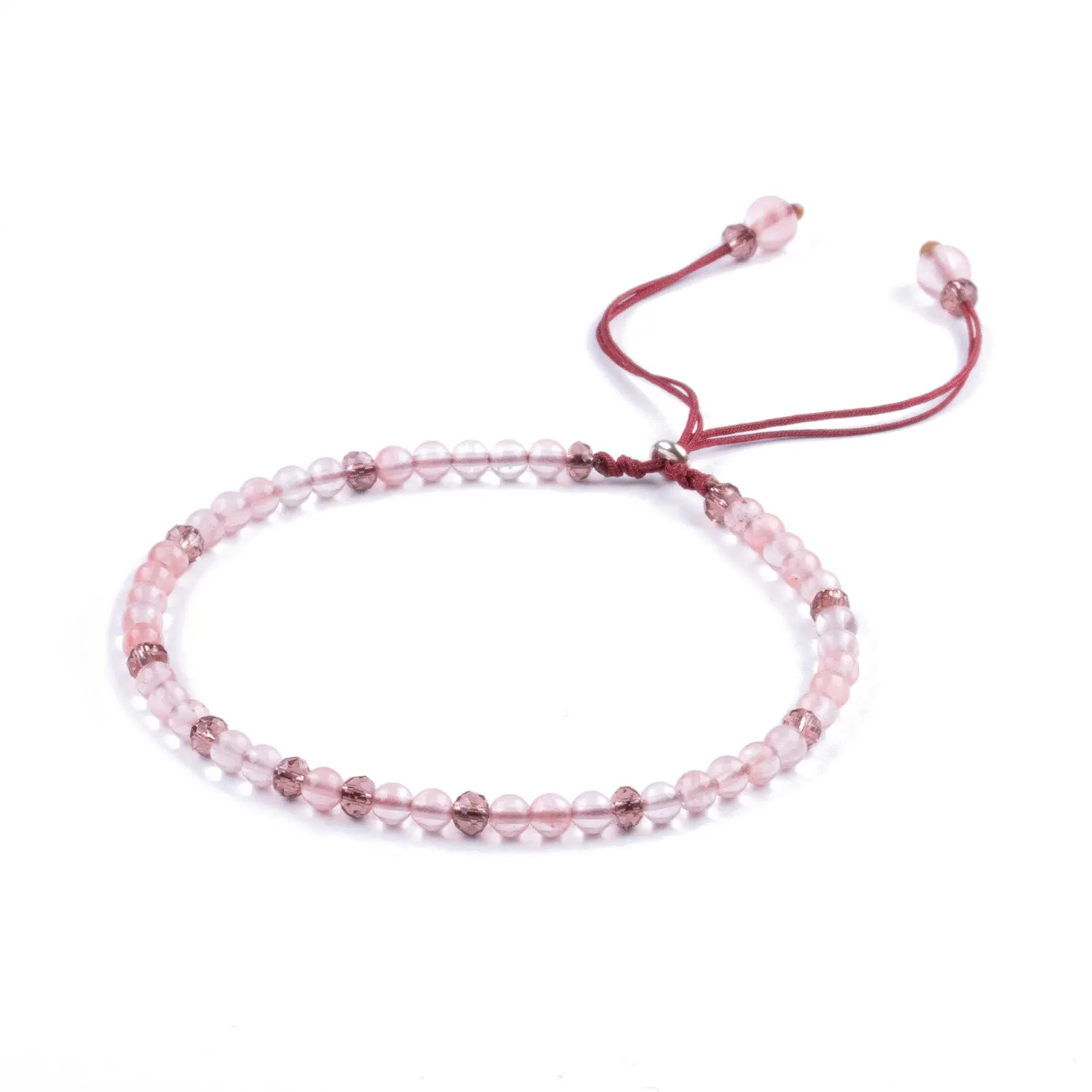
Its soft, translucent pink has a real advantage over a more saturated pastel: it pairs with both the dark tones we're still wearing in September (black, grey, brown) and the whites and pastels that start showing up gradually. That makes it useful through the whole transition, not just once you're already dressed head-to-toe for spring.
03
Amazonite: the blue-green we barely use in winter
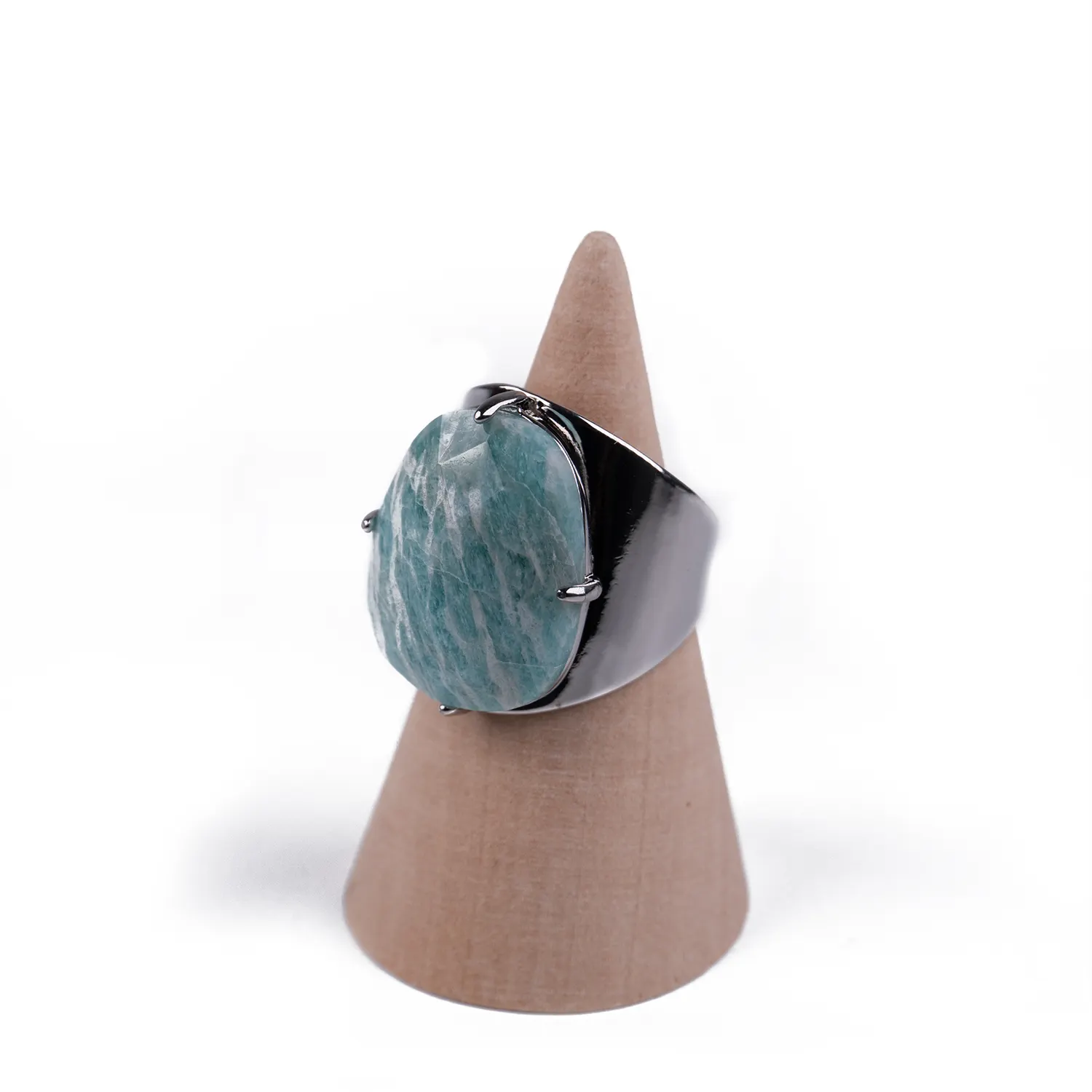
In our winter combinations this blue-green barely appears, dominated as they are by earthy, dark tones, so adding it is one of the changes that reads most as a real seasonal shift without touching the rest of the outfit. You don't need a new garment for it to read as spring: the stone alone does that work.
04
Light amethyst and quartzes: brighter in the sun, but with a real caveat
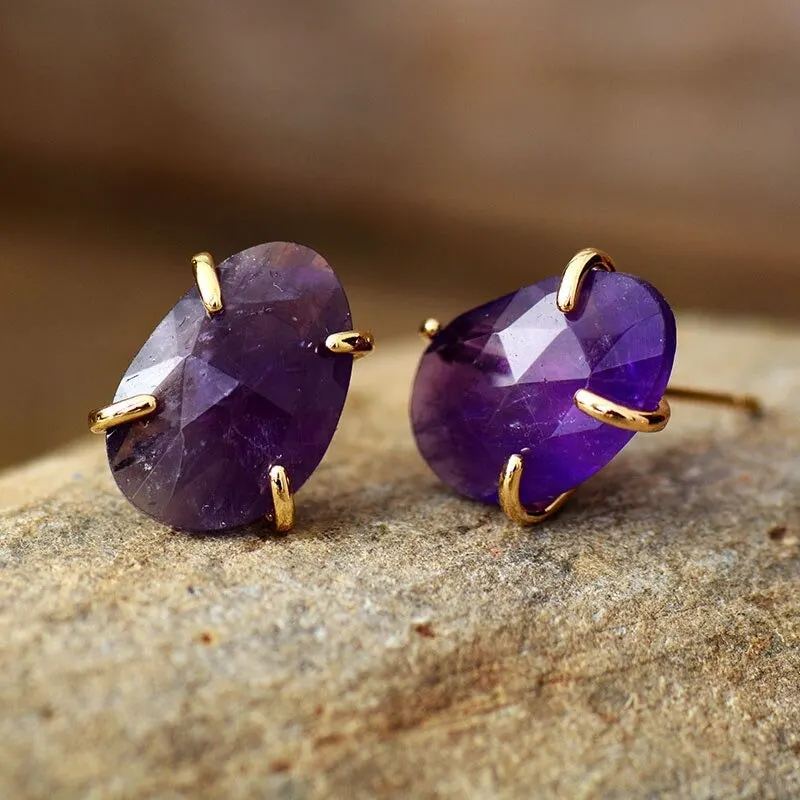
The transparency of these quartzes is exactly what makes them look good with more light, but that same prolonged exposure to direct sunlight can gradually fade amethyst's color over time. That's not a reason to skip it this season, just a reason to keep it in the shade when you're not wearing it, instead of leaving it on a shelf by the window all day.
05
How to make the switch without buying everything new
There's no need to replace the whole jewelry box overnight. It's enough to prioritize one or two pieces from this range, a rose quartz bracelet, a pair of amethyst earrings, as the protagonists during the transition, and let the darker-toned pieces sit in the background until it makes sense to wear them again.
A read worth saving.